
Flyout Menu
Prepare for professional social work practice through a Christ-centred degree integrating knowledge, values, practical skills, cultural responsiveness, and reflective formation.
Learn through a Christ-centred approach to professional preparation, shaped by Te Tiriti o Waitangi-informed and culturally responsive practice.
Develop critical reflection, ethical decision-making and professional capability aligned with the Social Workers Registration Board Core Competence Standards.
Professional preparation for practice in Aotearoa New Zealand
BTI’s Bachelor of Social Work integrates a Christ-centred, faith-based perspective with professional social work practice. It prepares ākonga to serve individuals, whānau, families and communities with competence and compassion.
Grounded in a vision for shalom and guided by a commitment to Te Tiriti o Waitangi, the programme develops critical reflection, cultural responsiveness, ethical practice and the skills needed to work across diverse social work contexts.
Learning combines intensive onsite block courses, interactive online tutorials, community engagement, applied case-based learning, group collaboration, reflective practice and independent study.
Because onsite attendance and placement learning are required, this is not a fully online programme.
Completion of the programme qualifies graduates to apply for registration with the Social Workers Registration Board to practise as registered social workers in Aotearoa New Zealand.
Time, participation and professional requirements
Full-time study requires approximately 40 hours per week during block-course and semester weeks. Students also undertake substantial independent reading, academic work, reflective learning and applied activities.
The programme includes 120 days of supervised full-time field placement. Placement learning allows students to apply theory in real practice settings and develop professional competence through supported experience.
Students critically examine their own worldview, the influence professionals have on clients, and the structures of power that affect communities and professional environments.
From foundational learning to professional readiness
Develop an understanding of social work contexts, history, purpose, foundational theory and core practice skills.
Deepen social work theory, Te Tiriti-informed practice, regulatory knowledge and professional learning through supervised field education.
Refine professional skills, complete advanced field education and integrate learning into a personal social work practice framework.
Professional practice and community impact
Graduates are prepared to apply for beginning social work roles and can use their knowledge and skills across social services, community organisations, health, justice, education, advocacy and other people-focused settings.
Graduates are equipped to work ethically and responsively with individuals, whānau, families, groups and communities while contributing to social justice, community wellbeing, restoration and transformational change.
Apply for the 2027 Bachelor of Social Work and begin preparing for a future in professional social work practice.

Cara-Lee Kerewaro (Ngāti Kahu) – BTI Social Work graduate
Send us an enquiry and our team will be in touch.
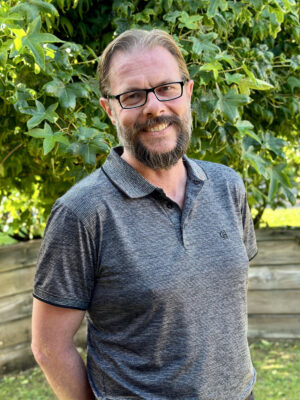
Phillip Larking is an Educator/Kaiako in the Social Work programme and is Professional Lead: Social Work (Students)
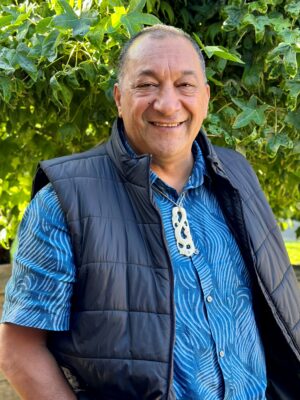
Tauha Te Kani is an Educator/Kaiako in the Social Work programme and Head of School of Social Practice (Kaitiaki)